
Person
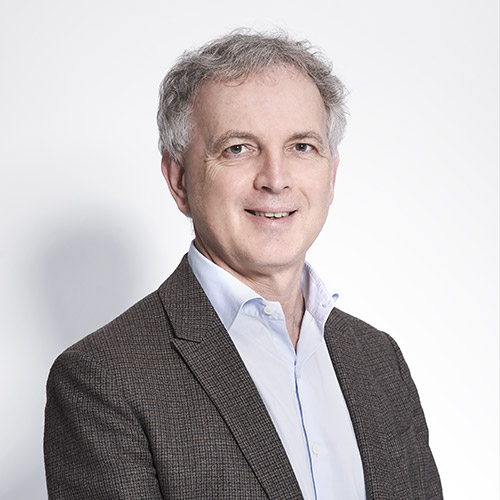
NALDINI LUIGI
Professore Ordinario
Attachment (CV)
NALDINI LUIGI_Apr 2025.pdf (NALDINI LUIGI_Biosketch_April 2025)
Description
LUIGI NALDINI, M.D., Ph.D.
Curriculum Vitae
Birth date: March 5, 1959, Turin (Italy)
Citizenship: Italian
Marital Status: Married to Daniela Maria Cirillo, M.D., Ph.D., two sons
Present Position: Full Professor of Cell and Tissue Biology, “Università Vita Salute San Raffaele” School of Medicine (since 2002)
Scientific Director of San Raffaele Telethon Institute for Gene Therapy (SR-TIGET), Milan, Italy (since October 2008)
Education: Liceo Classico "Vittorio Alfieri”, (Lyceum), Turin 1977, 60/60,
Doctor in Medicine, July 1983, "Summa Cum Laude” 110/110, University of Turin Medical School.
Philosophiae Doctor in Cell and Developmental Biology, 1989, University of Rome “La Sapienza”, Rome, Italy
Professional Experience
1983-87 Graduate Student, Department of Biomedical School and Oncology, University of Turin Medical School (Advisor: P.M. Comoglio)
1987-89 Research Scientist, Meloy Laboratories, Rockville, MD, and Rorer Biotechnology, King of Prussia, PA. (Director: J. Schlessinger)
1990-96 Assistant Professor of Cell and Tissue Biology, Dept. of Biomedical Sciences and Oncology, University of Turin Medical School (since 1993 with tenure).
1994-96 Visiting Scientist, The Laboratory of Genetics (Director: I. Verma), the Salk Institute for Biological Studies, La Jolla, CA.
1996-98 Senior Scientist and Director, Lentiviral Vector Project, Somatix Therapy Corp. & Cell Genesys, Foster City, CA.
1998-02 Associate Professor of Cell and Tissue Biology, University of Turin Medical School (since 2001 with tenure) and Head, Laboratory for Gene Transfer and Therapy, Institute for Cancer Research, Candiolo, Turin, Italy.
2003-2008 Scientific Codirector of San Raffaele Telethon Institute for Gene Therapy (HSR-TIGET), Milan, Italy.
Since 2005 Full Professor with tenure
Since 2008 Scientific Director, San Raffaele Telethon Institute for Gene Therapy (HSR-TIGET), Milan, Italy.
2012-2018 Director, Division of Regenerative Medicine, Stem Cell and Gene Therapy, San Raffaele Scientific Institute, Milan, Italy.
Research Activity
In his early career, L. Naldini identified the ligand for the Met receptor with Hepatocyte Growth Factor (HGF), proved its identity with Scatter Factor and elucidated its mechanism of regulation and function in triggering motility and invasion of epithelial cells. MET has since been one of the most investigated oncogene in epithelial cancer and metastasis.
During his stay within Inder Verma and Didier Trono laboratories at the Salk Institute for Biological Studies, La Jolla (1994-96), he first described the use of HIV-derived hybrid lentiviral vectors for gene transfer into non-dividing cells. The original paper reporting this work is one of top-cited articles in the journal Science (>4,130 citations). He then developed the technology for safe and efficient use working as a senior scientist at Cell Genesys, Foster City, CA. He discussed with the RAC, FDA and EMA the requirements and implications of lentiviral vector administration to humans. Overall, this work laid the foundation for the currently broad use of lentiviral vectors; what was initially received as an elegant proof-of-principle of an unlikely and fearsome technology, has become one of the most widely used tool in biomedical research.
At the end of 1998, L. Naldini returned to academia as professor at the University of Torino and in 2003 moved to the San Raffaele Telethon Institute for Gene Therapy (SR-Tiget) in Milan, initially as co-director with Maria Grazia Roncarolo and since 2008 as director of the Institute. Throughout this time, he has continued to investigate new strategies to overcome the major hurdles to safe and effective gene transfer, bringing about innovative solutions that not only were translated into new therapeutic strategies for genetic disease and cancer but also allowed gaining novel insights into fundamental biological processes such as hematopoietic stem cell function, induction of immunological tolerance and tumor angiogenesis.
Concerning vector development, L. Naldini’s work led to improved gene transfer into relevant cell types such as hematopoietic stem cells (HSC). By reaching exhaustive cell marking with minimal interference with cell function, individual HSC activity can now be monitored in vivo to unprecedented levels. A boost towards the broad use of lentiviral vectors came from studies primarily conducted in Naldini’s laboratory showing that the advanced design of lentiviral vectors is associated with much lower genotoxicity than conventional gamma-retroviral vectors, thus providing for a safer gene transfer platform despite the original concerns raised by the nature of the parental virus. The demonstration of high gene transfer efficiency coupled with improved safety provided by these pre-clinical studies was crucial for moving lentiviral vectors to clinical testing. Gratifyingly, these predictions have now been verified in a growing number of clinical studies, as mentioned below.
By tracking the hematopoietic cell contribution to angiogenesis, Naldini’s work established a novel paradigm in which the bone marrow contributes essential paracrine regulators to the newly formed vessels. These studies helped define a subset of proangiogenic monocytes, which selectively engage in tissue remodeling and regeneration and are recruited and contribute to tumor growth. Naldini and his collaborators are now exploiting these findings to develop a new therapeutic strategy by which the monocyte progeny of transplanted hematopoietic progenitors is engineered to selectively target immune stimulatory cytokines, such as interferon-alpha by gene therapy to tumors, thus enhancing therapeutic efficacy and avoiding systemic toxicity. A clinical trial for the first-in-human testing of this strategy opened at the beginning of 2019 for the treatment of glioblastoma multiforme sponsored by a biotech company spin-off co-founded by Luigi Naldini and the San Raffaele Scientific Institute. Current findings from this phase I/II dose-escalating study show tolerability and safety of the strategy, with dose-dependent engraftment of gene-marked cells without dose-limiting toxicity up to the highest dose tested, evidence of targeted interferon activity and reprogramming of the tumor microenvironment and preliminary indication of clinical benefit.
In another development, Naldini’s research applied microRNA regulation to vector design and provided the prototype for making transgenes and medically used viruses stringently responsive to cell type- and differentiation-specific cues. By using this innovative approach, Naldini’s team could overcome the immunological barrier to stable gene transfer, one of the major hurdles to successful gene therapy, establish long-term correction of hemophilia in small and large animal models and induce active tolerance to the transgene. Follow-up work performed in collaboration with industry is progressing these studies towards clinical translation of a new gene therapy treatment for hemophilia. The strategy of microRNA regulation is now widely exploited to develop safer vectors, oncolytic viruses and viral vaccines.
In collaboration with John Dick’s group, L. Naldini identified microRNAs with specific activity in HSC, showed that miR-126 sets a threshold for HSC activation and governs HSC pool size, and contribute to key pathogenic features of leukemia initiating cells when aberrantly expressed. The expression pattern of miR-126 was then exploited to design vectors transcriptionally silent in HSC but active in their mature progeny.
Naldini’s laboratory also pioneered the use of engineered Zinc-finger nucleases to edit the human genome in relevant cells for therapeutic applications. These studies opened the way to correct, rather than replace genes, a potentially revolutionary approach that may substantially expand the scope and power of genetic manipulation. Together with Chiara Bonini’s group, L. Naldini provided the first proof-of-principle of T-cell receptor genetic editing as a novel means of T-cell therapy, in which a new biological function is instructed to an immune effector cell by genetically re-writing its endogenous antigen specificity. L. Naldini’s group also reported the first evidence of successful targeted genome editing in human HSC and its application to correct mutations causing some primary immunodeficiencies in patients’ cells and in mouse disease models. Recently, optimization of the editing procedure, also using CRISPR/Cas technology, has allowed achieving substantial levels of targeted gene editing in human long-term repopulating HSC to support further development towards clinical testing. Because of his contribution to this rapidly growing field of studies, L. Naldini was appointed member of several international study committees on Human Gene Editing, which have issued widely received recommendations for the development of this technology in view of its scientific potential medical and ethical implications.
Throughout the years, L. Naldini’s efforts towards improving gene therapy have always been pursued with the clear goal in mind of therapeutic translation. Work from his laboratory showed that the post-transplant recruitment of hematopoietic cells to the resident microglia pool could be exploited to deliver gene therapy to the central and peripheral nervous system and treat leukodystrophies in the mouse model. Successful clinical testing of lentiviral vectors in HSC gene therapy was first reported in 2009 by a French team led by Patrick Aubourg to treat adrenoleukodystrophy (ALD), using the vector platform previously developed by Naldini and collaborators. Shortly thereafter, a lentiviral vector-based HSC gene therapy trial was launched at SR-Tiget for metachromatic leukodystrophy (MLD), which is invariably lethal and without any effective conventional treatment. Children treated before or early after symptoms onset are reported at the latest follow-up, reaching up to 13 years, in good conditions and leading a normal or near normal life, whereas they would have already succumbed to the disease if left untreated. Application of lentiviral vector HSC gene therapy continues to expand, at SR-Tiget and elsewhere in the world, to treat patients with immunodeficiencies, storage diseases and hemoglobinopathies like thalassemia, again showing excellent safety and clinical improvements reaching up to full transfusion independence. Overall, >150 patients have been treated at SR-Tiget in Milan and >450 worldwide, with nearly all studies reporting excellent safety and efficacy. Molecular monitoring of the patients in these trials show extensive and stable genetic engineering of human hematopoiesis, with highly polyclonal reconstitution and none or only sporadic indication of potential vector genotoxicity, consistently with the advanced engineering of the vector design and the preclinical predictions from experimental models. Moreover, these studies allow unprecedented insights into the clonal dynamics of human hematopoiesis, providing the first glimpses of HSC activity in living humans.
Based on the pioneering work of SR-Tiget in the clinical development of early generation HSC gene therapy for Adenosine Deaminase Deficiency (ADA-SCID) and the leadership provided in pursuing a new generation of vectors based on lentiviruses, SR-Tiget entered in 2010 in a strategic alliance with GlaxoSmithKline (later transferred to Orchard Therapeutics) to support further clinical development and market access of these therapies and make HSC gene therapy a clinical reality. This first-of-its-kind agreement between a major pharmaceutical company and an academic center engaged in gene therapy highlighted a road map for many more such alliances to come in recent years and was credited in 2016 by the successful registration in EU of the first ex vivo gene therapy product worldwide, Strimvelis, and in 2020 of the lentiviral gene therapy for MLD in EU (Libmeldy) and in USA (Lenmeldy, 2024).
PROFESSIONAL ACTIVITIES
- Past President of the European Society of Gene and Cell Therapy (ESGCT; 2012-2014)
- Member of the Board of Directors (2005-2008) and the Advisory Council (2008-2012) of the American Society of Gene and Cell Therapy (ASGCT)
- Ad hoc advisor of EMA and WHO Committees for the evaluation of novel gene transfer medicines
- Past and current member of several Scientific Committees of the ASGCT, ESCGT, American Association of Cancer Research (AACR), International Society for Stem Cell Research (ISSCR), International Society of Cell Therapy (ISCT)
- Associate Editor (until 2012) Human Gene Therapy
- Advisory Editorial Board Member, EMBO Molecular Medicine and Cell Stem Cell
- Appointed member of the Human Gene Editing Study Committee by the National Academies of Sciences and of Medicine of the USA (2015-2017)
- Appointed member of the Advisory Committee to the Italian Ministry of Health (since 2015)
- Appointed member of the Italian National Advisory Committee on Biosafety, Biotechnology and Life Sciences in 2016 (2016-2020, renewed 2021-2024 and 2024-2027)
- President of the Italian Society of Gene and Cell Therapy (SITGEC; since Foundation in 2024)
PATENTS
Inventor of 58 granted international patents and 45 pending. These include a cornerstone patent on lentiviral vector technology owned by the Salk Institute and a family originator patent owned by Cell Genesys. Intellectual property generated at the San Raffaele Institute covers bidirectional vectors for coordinate gene expression, micro-RNA regulated vectors, angiogenic monocytes and macrophage microRNAs, tolerogenic vectors, vector production and engineering, transplantation and gene editing technologies.
HONORS
- Elected Member of EMBO, the European Molecular Biology Organization, in 2008
- Awarded the European Research Council (ERC) Advanced Investigator grant, which recognizes top EU scientists with an outstanding achievement track record in 2009
- Premio Sapio of the Italian Research (Health Area) in 2012
- Outstanding Achievement Award from the American Society of Gene and Cell Therapy in 2014
- Human Gene Therapy “Pioneer Award” 2014
- Premio Gili Agostinelli for Biological and Medical Sciences from Accademia delle Scienze di
Torino in 2014
- Honorary doctorate from the Vrije University, Brussel, in 2015
- Outstanding Achievement Award from the European Society of Gene and Cell Therapy in 2015
- The Jimenez Diaz Prize, Conchita Rábago de Jiménez Díaz Foundation, Madrid, in 2016
- Premio Capitani 2016 , Milan, Italy
- The Beutler Prize from the American Society of Hematology (ASH), USA, in 2017
- The Louis-Jeantet Prize for Medicine, Lausanne, in 2019
- The Global Health Pioneer Award, Dubai, in 2019
- Nominated “Grande Ufficiale” dell’Ordine “Al Merito della Repubblica Italiana”, one of the highest ranking honor in Italy, from the President of the Republic and the Prime Minister of Italy , on December 27th 2019
- Elected “Socio Corrispondente - Classe di Scienze Fisiche, Matematiche e Naturali” at the “Accademia Nazionale dei Lincei”, the oldest Scientific Academy in the world, 2022
- Elected member of Academia Europaea, 2022
- Phacilitate Advanced Therapies Lifetime Achievement Award, Miami, USA, in 2024
- Honorary Doctor of Science degree from the Icahn School of Medicine at Mount Sinai, in 2025
SCIENTIFIC ACTIVITY
Luigi Naldini has published 321 papers in international peer-reviewed scientific journals.
Full list available at: https://www.ncbi.nlm.nih.gov/pubmed/?term=Naldini+Luigi
Total Impact Factor (I.F.) 2,089 based on Journals I.F. 2015, with average I.F. 10.93 per paper.
As of April 2025, his papers have been cited >53,000 times since 1996. Scopus h-index: 111 as available at https://www.scopus.com/authid/detail.uri?authorId=7005494915
ORCID ID: https://orcid.org/0000-0002-7835-527X
Invited speaker or lecturer to more than 200 International Meetings, Workshops or Universities in the last 10 years. Keynote speaker or main lecture in the Presidential Symposium at several venues, including the Annual Meetings of the American Society of Hematology, European Society of Hematology, American Society for Blood and Marrow Transplantation, American Society of Gene and Cell Therapy, European Society of Gene and Cell Therapy, EMBO Meetings, Keystone, FASEB, Cell and Nature Conferences.
Curriculum Vitae
Birth date: March 5, 1959, Turin (Italy)
Citizenship: Italian
Marital Status: Married to Daniela Maria Cirillo, M.D., Ph.D., two sons
Present Position: Full Professor of Cell and Tissue Biology, “Università Vita Salute San Raffaele” School of Medicine (since 2002)
Scientific Director of San Raffaele Telethon Institute for Gene Therapy (SR-TIGET), Milan, Italy (since October 2008)
Education: Liceo Classico "Vittorio Alfieri”, (Lyceum), Turin 1977, 60/60,
Doctor in Medicine, July 1983, "Summa Cum Laude” 110/110, University of Turin Medical School.
Philosophiae Doctor in Cell and Developmental Biology, 1989, University of Rome “La Sapienza”, Rome, Italy
Professional Experience
1983-87 Graduate Student, Department of Biomedical School and Oncology, University of Turin Medical School (Advisor: P.M. Comoglio)
1987-89 Research Scientist, Meloy Laboratories, Rockville, MD, and Rorer Biotechnology, King of Prussia, PA. (Director: J. Schlessinger)
1990-96 Assistant Professor of Cell and Tissue Biology, Dept. of Biomedical Sciences and Oncology, University of Turin Medical School (since 1993 with tenure).
1994-96 Visiting Scientist, The Laboratory of Genetics (Director: I. Verma), the Salk Institute for Biological Studies, La Jolla, CA.
1996-98 Senior Scientist and Director, Lentiviral Vector Project, Somatix Therapy Corp. & Cell Genesys, Foster City, CA.
1998-02 Associate Professor of Cell and Tissue Biology, University of Turin Medical School (since 2001 with tenure) and Head, Laboratory for Gene Transfer and Therapy, Institute for Cancer Research, Candiolo, Turin, Italy.
2003-2008 Scientific Codirector of San Raffaele Telethon Institute for Gene Therapy (HSR-TIGET), Milan, Italy.
Since 2005 Full Professor with tenure
Since 2008 Scientific Director, San Raffaele Telethon Institute for Gene Therapy (HSR-TIGET), Milan, Italy.
2012-2018 Director, Division of Regenerative Medicine, Stem Cell and Gene Therapy, San Raffaele Scientific Institute, Milan, Italy.
Research Activity
In his early career, L. Naldini identified the ligand for the Met receptor with Hepatocyte Growth Factor (HGF), proved its identity with Scatter Factor and elucidated its mechanism of regulation and function in triggering motility and invasion of epithelial cells. MET has since been one of the most investigated oncogene in epithelial cancer and metastasis.
During his stay within Inder Verma and Didier Trono laboratories at the Salk Institute for Biological Studies, La Jolla (1994-96), he first described the use of HIV-derived hybrid lentiviral vectors for gene transfer into non-dividing cells. The original paper reporting this work is one of top-cited articles in the journal Science (>4,130 citations). He then developed the technology for safe and efficient use working as a senior scientist at Cell Genesys, Foster City, CA. He discussed with the RAC, FDA and EMA the requirements and implications of lentiviral vector administration to humans. Overall, this work laid the foundation for the currently broad use of lentiviral vectors; what was initially received as an elegant proof-of-principle of an unlikely and fearsome technology, has become one of the most widely used tool in biomedical research.
At the end of 1998, L. Naldini returned to academia as professor at the University of Torino and in 2003 moved to the San Raffaele Telethon Institute for Gene Therapy (SR-Tiget) in Milan, initially as co-director with Maria Grazia Roncarolo and since 2008 as director of the Institute. Throughout this time, he has continued to investigate new strategies to overcome the major hurdles to safe and effective gene transfer, bringing about innovative solutions that not only were translated into new therapeutic strategies for genetic disease and cancer but also allowed gaining novel insights into fundamental biological processes such as hematopoietic stem cell function, induction of immunological tolerance and tumor angiogenesis.
Concerning vector development, L. Naldini’s work led to improved gene transfer into relevant cell types such as hematopoietic stem cells (HSC). By reaching exhaustive cell marking with minimal interference with cell function, individual HSC activity can now be monitored in vivo to unprecedented levels. A boost towards the broad use of lentiviral vectors came from studies primarily conducted in Naldini’s laboratory showing that the advanced design of lentiviral vectors is associated with much lower genotoxicity than conventional gamma-retroviral vectors, thus providing for a safer gene transfer platform despite the original concerns raised by the nature of the parental virus. The demonstration of high gene transfer efficiency coupled with improved safety provided by these pre-clinical studies was crucial for moving lentiviral vectors to clinical testing. Gratifyingly, these predictions have now been verified in a growing number of clinical studies, as mentioned below.
By tracking the hematopoietic cell contribution to angiogenesis, Naldini’s work established a novel paradigm in which the bone marrow contributes essential paracrine regulators to the newly formed vessels. These studies helped define a subset of proangiogenic monocytes, which selectively engage in tissue remodeling and regeneration and are recruited and contribute to tumor growth. Naldini and his collaborators are now exploiting these findings to develop a new therapeutic strategy by which the monocyte progeny of transplanted hematopoietic progenitors is engineered to selectively target immune stimulatory cytokines, such as interferon-alpha by gene therapy to tumors, thus enhancing therapeutic efficacy and avoiding systemic toxicity. A clinical trial for the first-in-human testing of this strategy opened at the beginning of 2019 for the treatment of glioblastoma multiforme sponsored by a biotech company spin-off co-founded by Luigi Naldini and the San Raffaele Scientific Institute. Current findings from this phase I/II dose-escalating study show tolerability and safety of the strategy, with dose-dependent engraftment of gene-marked cells without dose-limiting toxicity up to the highest dose tested, evidence of targeted interferon activity and reprogramming of the tumor microenvironment and preliminary indication of clinical benefit.
In another development, Naldini’s research applied microRNA regulation to vector design and provided the prototype for making transgenes and medically used viruses stringently responsive to cell type- and differentiation-specific cues. By using this innovative approach, Naldini’s team could overcome the immunological barrier to stable gene transfer, one of the major hurdles to successful gene therapy, establish long-term correction of hemophilia in small and large animal models and induce active tolerance to the transgene. Follow-up work performed in collaboration with industry is progressing these studies towards clinical translation of a new gene therapy treatment for hemophilia. The strategy of microRNA regulation is now widely exploited to develop safer vectors, oncolytic viruses and viral vaccines.
In collaboration with John Dick’s group, L. Naldini identified microRNAs with specific activity in HSC, showed that miR-126 sets a threshold for HSC activation and governs HSC pool size, and contribute to key pathogenic features of leukemia initiating cells when aberrantly expressed. The expression pattern of miR-126 was then exploited to design vectors transcriptionally silent in HSC but active in their mature progeny.
Naldini’s laboratory also pioneered the use of engineered Zinc-finger nucleases to edit the human genome in relevant cells for therapeutic applications. These studies opened the way to correct, rather than replace genes, a potentially revolutionary approach that may substantially expand the scope and power of genetic manipulation. Together with Chiara Bonini’s group, L. Naldini provided the first proof-of-principle of T-cell receptor genetic editing as a novel means of T-cell therapy, in which a new biological function is instructed to an immune effector cell by genetically re-writing its endogenous antigen specificity. L. Naldini’s group also reported the first evidence of successful targeted genome editing in human HSC and its application to correct mutations causing some primary immunodeficiencies in patients’ cells and in mouse disease models. Recently, optimization of the editing procedure, also using CRISPR/Cas technology, has allowed achieving substantial levels of targeted gene editing in human long-term repopulating HSC to support further development towards clinical testing. Because of his contribution to this rapidly growing field of studies, L. Naldini was appointed member of several international study committees on Human Gene Editing, which have issued widely received recommendations for the development of this technology in view of its scientific potential medical and ethical implications.
Throughout the years, L. Naldini’s efforts towards improving gene therapy have always been pursued with the clear goal in mind of therapeutic translation. Work from his laboratory showed that the post-transplant recruitment of hematopoietic cells to the resident microglia pool could be exploited to deliver gene therapy to the central and peripheral nervous system and treat leukodystrophies in the mouse model. Successful clinical testing of lentiviral vectors in HSC gene therapy was first reported in 2009 by a French team led by Patrick Aubourg to treat adrenoleukodystrophy (ALD), using the vector platform previously developed by Naldini and collaborators. Shortly thereafter, a lentiviral vector-based HSC gene therapy trial was launched at SR-Tiget for metachromatic leukodystrophy (MLD), which is invariably lethal and without any effective conventional treatment. Children treated before or early after symptoms onset are reported at the latest follow-up, reaching up to 13 years, in good conditions and leading a normal or near normal life, whereas they would have already succumbed to the disease if left untreated. Application of lentiviral vector HSC gene therapy continues to expand, at SR-Tiget and elsewhere in the world, to treat patients with immunodeficiencies, storage diseases and hemoglobinopathies like thalassemia, again showing excellent safety and clinical improvements reaching up to full transfusion independence. Overall, >150 patients have been treated at SR-Tiget in Milan and >450 worldwide, with nearly all studies reporting excellent safety and efficacy. Molecular monitoring of the patients in these trials show extensive and stable genetic engineering of human hematopoiesis, with highly polyclonal reconstitution and none or only sporadic indication of potential vector genotoxicity, consistently with the advanced engineering of the vector design and the preclinical predictions from experimental models. Moreover, these studies allow unprecedented insights into the clonal dynamics of human hematopoiesis, providing the first glimpses of HSC activity in living humans.
Based on the pioneering work of SR-Tiget in the clinical development of early generation HSC gene therapy for Adenosine Deaminase Deficiency (ADA-SCID) and the leadership provided in pursuing a new generation of vectors based on lentiviruses, SR-Tiget entered in 2010 in a strategic alliance with GlaxoSmithKline (later transferred to Orchard Therapeutics) to support further clinical development and market access of these therapies and make HSC gene therapy a clinical reality. This first-of-its-kind agreement between a major pharmaceutical company and an academic center engaged in gene therapy highlighted a road map for many more such alliances to come in recent years and was credited in 2016 by the successful registration in EU of the first ex vivo gene therapy product worldwide, Strimvelis, and in 2020 of the lentiviral gene therapy for MLD in EU (Libmeldy) and in USA (Lenmeldy, 2024).
PROFESSIONAL ACTIVITIES
- Past President of the European Society of Gene and Cell Therapy (ESGCT; 2012-2014)
- Member of the Board of Directors (2005-2008) and the Advisory Council (2008-2012) of the American Society of Gene and Cell Therapy (ASGCT)
- Ad hoc advisor of EMA and WHO Committees for the evaluation of novel gene transfer medicines
- Past and current member of several Scientific Committees of the ASGCT, ESCGT, American Association of Cancer Research (AACR), International Society for Stem Cell Research (ISSCR), International Society of Cell Therapy (ISCT)
- Associate Editor (until 2012) Human Gene Therapy
- Advisory Editorial Board Member, EMBO Molecular Medicine and Cell Stem Cell
- Appointed member of the Human Gene Editing Study Committee by the National Academies of Sciences and of Medicine of the USA (2015-2017)
- Appointed member of the Advisory Committee to the Italian Ministry of Health (since 2015)
- Appointed member of the Italian National Advisory Committee on Biosafety, Biotechnology and Life Sciences in 2016 (2016-2020, renewed 2021-2024 and 2024-2027)
- President of the Italian Society of Gene and Cell Therapy (SITGEC; since Foundation in 2024)
PATENTS
Inventor of 58 granted international patents and 45 pending. These include a cornerstone patent on lentiviral vector technology owned by the Salk Institute and a family originator patent owned by Cell Genesys. Intellectual property generated at the San Raffaele Institute covers bidirectional vectors for coordinate gene expression, micro-RNA regulated vectors, angiogenic monocytes and macrophage microRNAs, tolerogenic vectors, vector production and engineering, transplantation and gene editing technologies.
HONORS
- Elected Member of EMBO, the European Molecular Biology Organization, in 2008
- Awarded the European Research Council (ERC) Advanced Investigator grant, which recognizes top EU scientists with an outstanding achievement track record in 2009
- Premio Sapio of the Italian Research (Health Area) in 2012
- Outstanding Achievement Award from the American Society of Gene and Cell Therapy in 2014
- Human Gene Therapy “Pioneer Award” 2014
- Premio Gili Agostinelli for Biological and Medical Sciences from Accademia delle Scienze di
Torino in 2014
- Honorary doctorate from the Vrije University, Brussel, in 2015
- Outstanding Achievement Award from the European Society of Gene and Cell Therapy in 2015
- The Jimenez Diaz Prize, Conchita Rábago de Jiménez Díaz Foundation, Madrid, in 2016
- Premio Capitani 2016 , Milan, Italy
- The Beutler Prize from the American Society of Hematology (ASH), USA, in 2017
- The Louis-Jeantet Prize for Medicine, Lausanne, in 2019
- The Global Health Pioneer Award, Dubai, in 2019
- Nominated “Grande Ufficiale” dell’Ordine “Al Merito della Repubblica Italiana”, one of the highest ranking honor in Italy, from the President of the Republic and the Prime Minister of Italy , on December 27th 2019
- Elected “Socio Corrispondente - Classe di Scienze Fisiche, Matematiche e Naturali” at the “Accademia Nazionale dei Lincei”, the oldest Scientific Academy in the world, 2022
- Elected member of Academia Europaea, 2022
- Phacilitate Advanced Therapies Lifetime Achievement Award, Miami, USA, in 2024
- Honorary Doctor of Science degree from the Icahn School of Medicine at Mount Sinai, in 2025
SCIENTIFIC ACTIVITY
Luigi Naldini has published 321 papers in international peer-reviewed scientific journals.
Full list available at: https://www.ncbi.nlm.nih.gov/pubmed/?term=Naldini+Luigi
Total Impact Factor (I.F.) 2,089 based on Journals I.F. 2015, with average I.F. 10.93 per paper.
As of April 2025, his papers have been cited >53,000 times since 1996. Scopus h-index: 111 as available at https://www.scopus.com/authid/detail.uri?authorId=7005494915
ORCID ID: https://orcid.org/0000-0002-7835-527X
Invited speaker or lecturer to more than 200 International Meetings, Workshops or Universities in the last 10 years. Keynote speaker or main lecture in the Presidential Symposium at several venues, including the Annual Meetings of the American Society of Hematology, European Society of Hematology, American Society for Blood and Marrow Transplantation, American Society of Gene and Cell Therapy, European Society of Gene and Cell Therapy, EMBO Meetings, Keystone, FASEB, Cell and Nature Conferences.
Publications (370)
Courses (27)
60 CFU
1481 hours
1 CFU
8 hours
60 CFU
1580 hours
.5 CFU
4 hours
60 CFU
1558 hours
.5 CFU
4 hours
60 CFU
1662.5 hours
1 CFU
8 hours
60 CFU
1602 hours
.5 CFU
4 hours
60 CFU
1514 hours
1 CFU
8 hours
6 CFU
80 hours
8 CFU
64 hours
2 CFU
16 hours
7 CFU
90 hours
4 CFU
55 hours
4 CFU
55 hours
4 CFU
55 hours
7 CFU
90 hours
4 CFU
55 hours
4 CFU
55 hours
4 CFU
55 hours
7 CFU
90 hours
4 CFU
55 hours
4 CFU
55 hours
4 CFU
55 hours
No Results Found
Awards and honors (16)
Phacilitate Advanced Therapies Lifetime Achievement Award,
conferred by NA - 2024
Louis-Jeantet Prize for Medicine,
conferred by Louis-Jeantet Foundation, Lausanne, CH - 2019
The Louis-Jeantet Prize for Medicine,
conferred by Fondation Louis-Jeantet - 2019
The Global Health Pioneer Award,
conferred by Dubai - 2019
“Grande Ufficiale” dell’Ordine “Al Merito della Repubblica Italiana”,
conferred by Repubblica Italiana - 2019
The Beutler Prize,
conferred by The American Society of Hematology - 2017
The Jimenez Diaz Prize,
conferred by Conchita Rábago de Jiménez Díaz Foundation - 2016
Premio Capitani,
conferred by Fondazione Mauro e Nuccia Capitani - 2016
Outstanding Achievement Award from the European Society of Gene and Cell Therapy,
conferred by European Society for Gene and Cell Therapy (ESGCT) - 2015
Honorary doctorate from the Vrije University,
conferred by Vrije University, Brussel - 2015
Outstanding Achievement Award from the European Society of Gene and Cell Therapy,
conferred by European Society for Gene and Cell Therapy (ESGCT) - 2014
Human Gene Therapy “Pioneer Award”,
conferred by Human Gene Therapy - 2014
Premio Angiola Gili e Cataldo Agostinelli per le Scienze biologiche o mediche,
conferred by Accademia delle Scienze di Torino - 2014
Premio Sapio per la Ricerca Italiana (ambito Sanità),
conferred by Gruppo Sapio - 2012
ERC - Advanced Investigator grant,
conferred by The European Research Council (ERC) - 2009
Elected Member of EMBO,
conferred by European Molecular Biology Organization (EMBO) - 2008
No Results Found
Fellowship (16)
Presidente
- SITGEC - Italian Society of Gene and Cell Therapy (Italia)
(2024 - )
2024
fs2 – Socio/a effettivo o corrispondente
- Accademia Nazionale dei Lincei (Italia)
(2022 - )
2022
Fellow (riconoscimento scientifico)
- Academia Europaea (Non assegnato)
(2022 - )
2022
Componente del Comitato Scientifico
- European Society of Gene & Cell Therapy Annual Congress (Non assegnato)
(2020 - )
2020
Componente del Comitato Scientifico
- ASGCT - American Society of Gene & Cell Therapy (Stati Uniti)
(2020 - )
2020
Componente del Comitato Scientifico
- American Association of Cancer Research (AACR) (Stati Uniti)
(2020 - )
2020
Componente del Comitato Scientifico
- International Society for Stem Cell Research (ISSCR) (Non assegnato)
(2020 - )
2020
Componente del Comitato Scientifico
- International Society of Cell Therapy (ISCT) (Non assegnato)
(2020 - )
2020
Componente del Comitato Scientifico
- Comitato Nazionale per la Biosicurezza, le Biotecnologie e le Scienze della Vita-Presidenza del Consiglio dei Ministri (Italia)
(2016 - 2027)
2016
Componente del Comitato Scientifico
- Human Gene Editing Study Committee, National Academies of Sciences, Engineering, and Medicine (Stati Uniti)
(2015 - 2017)
2015
Componente del Consiglio/Comitato Direttivo
- Human Gene Editing Study Committee by the National Academies of Sciences and of Medicine of the USA (Stati Uniti)
(2015 - 2017)
2015
Componente del Comitato Scientifico
- Ministero della salute (Italia)
(2015 - )
2015
Presidente
- European Society of Gene and Cell Therapy (Non assegnato)
(2012 - 2014)
2012
Fellow (riconoscimento scientifico)
- European Society for Gene and Cell Therapy (ESGCT) (Regno Unito)
(2012 - 2014)
2012
fs2 – Socio/a effettivo o corrispondente
- EMBO (Germania)
(2008 - )
2008
Componente del Comitato Scientifico
- American Society of Gene and Cell Therapy (ASGCT) (Non assegnato)
(2005 - 2012)
2005
No Results Found
Editorial Board (3)
Membro del Comitato Editoriale - CELL STEM CELL - ISSN: 1934-5909 - Cambridge: Cell Press (an imprint of Elsevier) (2019 - )
2019
Membro del Comitato Editoriale - EMBO MOLECULAR MEDICINE - ISSN: 1757-4684 - Chichester : Wiley Europe (2017 - )
2017
Editor di rivista, collana editoriale, enciclopedia - HUMAN GENE THERAPY - ISSN: 1043-0342 - Mary Ann Liebert Incorporated:2 Madison Avenue:Larchmont, NY 10538:(914)834-3100, EMAIL: info@liebertpub.com, swilliams@liebertpub.com, INTERNET: http://www.liebertpub.com, Fax: (914)834-3688 (2009 - 2012)
2009
No Results Found
Congresses (2)
Partecipazione al comitato organizzativo - The 31st ESGCT Annual Congress in collaboration with SITGEC (22/10/2024 - 25/10/2024) 20241022
Partecipazione al comitato organizzativo - Joint European Society of Gene and Cell Therapy (ESGCT) and International Society for Stem Cell Research (ISSCR) Congress, Florence, IT (18/10/2016 - 21/06/2022) 20161018
No Results Found
Doctoral college (20)
UNISR - Università Vita Salute San Raffaele -
DOTTORATO DI RICERCA INTERNAZIONALE IN MEDICINA MOLECOLARE-2024
(cycle: 40 - Year: 2024
2024
)
UNISR - Università Vita Salute San Raffaele -
DOTTORATO DI RICERCA INTERNAZIONALE IN MEDICINA MOLECOLARE-2023
(cycle: 39 - Year: 2023
2023
)
UNISR - Università Vita Salute San Raffaele -
DOTTORATO DI RICERCA INTERNAZIONALE IN MEDICINA MOLECOLARE-2022
(cycle: 38 - Year: 2022
2022
)
UNISR - Università Vita Salute San Raffaele -
DOTTORATO DI RICERCA INTERNAZIONALE IN MEDICINA MOLECOLARE-2021
(cycle: 37 - Year: 2021
2021
)
UNISR - Università Vita Salute San Raffaele -
DOTTORATO DI RICERCA INTERNAZIONALE IN MEDICINA MOLECOLARE-2020
(cycle: 36 - Year: 2020
2020
)
UNISR - Università Vita Salute San Raffaele -
DOTTORATO DI RICERCA INTERNAZIONALE IN MEDICINA MOLECOLARE-2019
(cycle: 35 - Year: 2019
2019
)
UNISR - Università Vita Salute San Raffaele -
DOTTORATO DI RICERCA INTERNAZIONALE IN MEDICINA MOLECOLARE-2018
(cycle: 34 - Year: 2018
2018
)
UNISR - Università Vita Salute San Raffaele -
DOTTORATO DI RICERCA INTERNAZIONALE IN MEDICINA MOLECOLARE-2017
(cycle: 33 - Year: 2017
2017
)
UNISR - Università Vita Salute San Raffaele -
DOTTORATO DI RICERCA INTERNAZIONALE IN MEDICINA MOLECOLARE-2016
(cycle: 32 - Year: 2016
2016
)
UNISR - Università Vita Salute San Raffaele -
DOTTORATO DI RICERCA INTERNAZIONALE IN MEDICINA MOLECOLARE-2015
(cycle: 31 - Year: 2015
2015
)
UNISR - Università Vita Salute San Raffaele -
DOTTORATO DI RICERCA INTERNAZIONALE IN MEDICINA MOLECOLARE-2012
(cycle: 28 - Year: 2012
2012
)
UNISR - Università Vita Salute San Raffaele -
DOTTORATO DI RICERCA INTERNAZIONALE IN MEDICINA MOLECOLARE-2011
(cycle: 27 - Year: 2011
2011
)
UNISR - Università Vita Salute San Raffaele -
DOTTORATO DI RICERCA INTERNAZIONALE IN BIOLOGIA CELLULARE E MOLECOLARE-2010
(cycle: 26 - Year: 2010
2010
)
UNISR - Università Vita Salute San Raffaele -
DOTTORATO DI RICERCA INTERNAZIONALE IN MEDICINA MOLECOLARE-2010
(cycle: 26 - Year: 2010
2010
)
UNISR - Università Vita Salute San Raffaele -
DOTTORATO DI RICERCA INTERNAZIONALE IN BIOLOGIA CELLULARE E MOLECOLARE-2009
(cycle: 25 - Year: 2009
2009
)
UNISR - Università Vita Salute San Raffaele -
DOTTORATO DI RICERCA INTERNAZIONALE IN MEDICINA MOLECOLARE-2009
(cycle: 25 - Year: 2009
2009
)
UNISR - Università Vita Salute San Raffaele -
DOTTORATO DI RICERCA INTERNAZIONALE IN BIOLOGIA CELLULARE E MOLECOLARE-2008
(cycle: 24 - Year: 2008
2008
)
UNISR - Università Vita Salute San Raffaele -
DOTTORATO DI RICERCA INTERNAZIONALE IN MEDICINA MOLECOLARE-2008
(cycle: 24 - Year: 2008
2008
)
UNISR - Università Vita Salute San Raffaele -
DOTTORATO DI RICERCA INTERNAZIONALE IN BIOLOGIA CELLULARE E MOLECOLARE-2007
(cycle: 23 - Year: 2007
2007
)
UNISR - Università Vita Salute San Raffaele -
DOTTORATO DI RICERCA INTERNAZIONALE IN BIOLOGIA CELLULARE E MOLECOLARE-2006
(cycle: 22 - Year: 2006
2006
)
No Results Found
Other titles
Honorary Doctor of Science degree from the Icahn School of Medicine at Mount Sinai, in 2025
(01/01/2025 - )
20250101
No Results Found
Third Mission (5)
Partecipazioni attive a incontri pubblici organizzati da altri soggetti (Altro)
- FESTIVAL DELLA SCIENZA MEDICA
Bologna (12/05/2022 - 14/05/2022) 20220512
Facoltà di Medicina e Chirurgia
Pubblicazioni (cartacee e digitali) dedicate al pubblico non accademico (Altro)
- Intervista su rivista "Airone"
Intervista su rivista cartacea (01/01/2022 - 01/01/2022) 20220101
Facoltà di Medicina e Chirurgia
Partecipazioni attive a incontri pubblici organizzati da altri soggetti (Altro)
- Seminario sulla Evoluzione biologica dedicata al tema: Editing del genoma: uomo e non solo. Prospettive della tecnologia CRISPR/Cas9 nell’uomo e negli altri organismi
Roma-Diretta Streaming (23/11/2021 - 25/11/2021) 20211123
Facoltà di Medicina e Chirurgia
Partecipazioni attive a incontri pubblici organizzati da altri soggetti (Altro)
- Festival della Scienza, Genova
Genova (20/10/2021 - 01/11/2021) 20211020
Facoltà di Medicina e Chirurgia
Pubblicazioni (cartacee e digitali) dedicate al pubblico non accademico (Altro)
- Articolo pubblicato su rivista SALUS
19000101
Facoltà di Medicina e Chirurgia
No Results Found